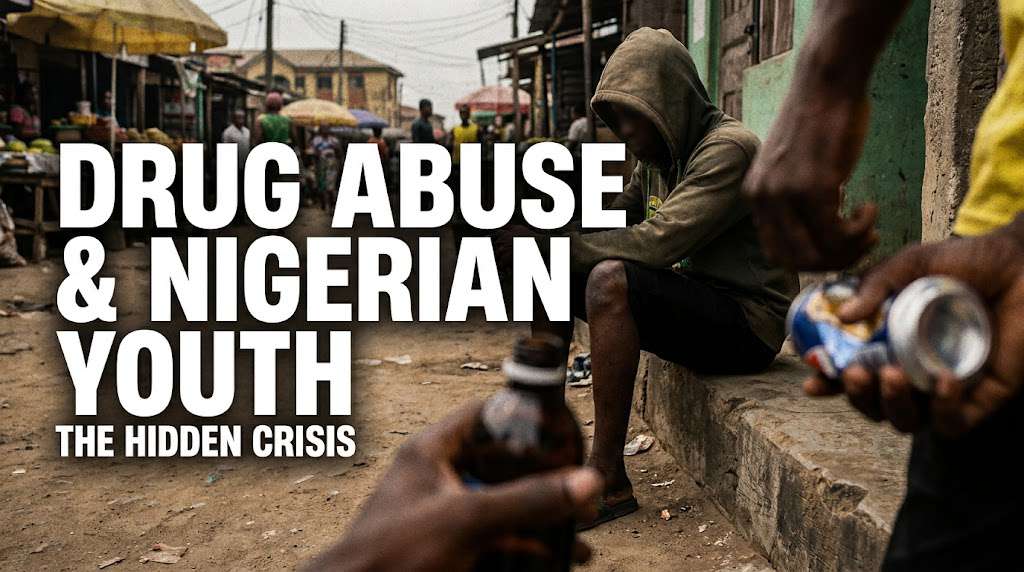
Drug Abuse and Its Effects on Nigerian Youth
Introduction
Across Nigerian communities, families, schools, and health workers continue to confront a serious and growing challenge: the misuse of drugs and other psychoactive substances among young people. What sometimes begins as curiosity, peer pressure, or an attempt to cope with stress or hardship can, over time, develop into dependence with severe consequences for health, education, family life, and broader community safety.
This article provides an educational overview of drug abuse as it affects Nigerian youth — the substances most commonly involved, the factors that contribute to its prevalence, its wide-ranging effects, and the strategies available for prevention and support. This is a factual, protective overview, not a guide to substance use.
What Is Drug Abuse?
Drug abuse refers to the harmful or hazardous use of psychoactive substances, including illegal drugs, alcohol, and, in some cases, the misuse of prescription or over-the-counter medications outside their intended medical purpose. Drug abuse is distinguished from legitimate medical use by the presence of harm, lack of proper medical guidance, and use aimed at achieving intoxication or escape rather than treating a genuine health condition.
Substances Commonly Associated With Youth Drug Abuse in Nigeria
Without providing specific guidance on use, it is useful for students to be generally aware of the categories of substances most frequently involved in cases of youth substance abuse in Nigeria, as reported by health authorities and research studies, including:
- Alcohol, which remains widely available and is among the most commonly misused substances among young people.
- Tobacco and nicotine products.
- Cannabis (commonly known locally by various street names), one of the most widely reported illicit substances misused among Nigerian youth.
- Misused prescription and over-the-counter medications, including certain cough syrups and painkillers, taken outside appropriate medical guidance and in quantities or combinations that are unsafe.
- Solvents and inhalants, sometimes misused, particularly among younger or more vulnerable populations, due to their easy accessibility.
Factors Contributing to Youth Drug Abuse
Peer Pressure
Young people are often significantly influenced by the behaviour and expectations of their peer group, and pressure to fit in or be accepted by friends can be a powerful factor leading to initial substance use.
Curiosity and Experimentation
Adolescence is often a period of exploration and risk-taking, and curiosity about the effects of drugs, sometimes without a full appreciation of the risks involved, can lead some young people to experiment with substances.
Stress and Emotional Difficulties
Some young people turn to substances as an unhealthy way of coping with stress, academic pressure, family conflict, or unresolved emotional difficulties, particularly where healthier coping mechanisms or support systems are not readily available to them.
Family Instability or Lack of Supervision
Weak parental supervision, family conflict, or exposure to substance use within the home environment can significantly increase a young person's risk of developing similar patterns of behaviour.
Poverty and Limited Opportunity
Economic hardship and limited access to education, employment, or constructive recreational activities can, in some cases, contribute to a young person's vulnerability to substance abuse, whether as an escape from difficult circumstances or through involvement in illicit drug distribution as a source of income.
Easy Availability
In communities where certain substances are relatively easy to obtain, whether through informal markets or inadequate regulation, the practical barrier to initial use is significantly lowered.
The Effects of Drug Abuse
Physical Health Effects
Depending on the specific substance involved, drug abuse can cause serious harm to the body, including damage to the brain, liver, heart, and other organs, increased risk of certain illnesses, and, in cases of overdose or dangerous combinations of substances, life-threatening medical emergencies.
Mental Health Effects
Drug abuse is closely associated with a range of mental health difficulties, including anxiety, depression, and, in some cases, more severe psychiatric symptoms, particularly with prolonged or heavy use of certain substances.
Educational Effects
Drug abuse frequently leads to poor concentration, absenteeism, declining academic performance, and, in serious cases, complete withdrawal from schooling, significantly undermining a young person's educational and future career prospects.
Social and Family Effects
Substance abuse can severely strain family relationships, lead to social isolation from non-using peers, and in some cases, contribute to involvement in criminal activity, either through drug-related offences or crimes committed to fund continued substance use.
Effects on Community and National Development
Widespread youth drug abuse represents a significant loss of human capital and productive potential for the nation, places considerable strain on healthcare and social support systems, and can contribute to broader community safety concerns, including drug-related crime.
Nigeria's Institutional Response
National Drug Law Enforcement Agency (NDLEA)
The NDLEA is Nigeria's principal government agency responsible for enforcing drug laws, combating illicit drug trafficking and distribution, and conducting public education and rehabilitation initiatives related to substance abuse.
Rehabilitation and Support Services
Various government and non-governmental organizations provide counselling, treatment, and rehabilitation services intended to support individuals struggling with substance abuse in recovering and reintegrating into their communities and education or employment.
Prevention Strategies
Education and Awareness
Honest, age-appropriate education about the genuine risks of drug abuse, delivered through schools, families, and community programmes, helps young people make informed decisions and better resist peer pressure toward substance use.
Strengthening Family and Community Support
Strong, supportive family relationships and community structures provide young people with healthier ways of coping with stress and difficulty, reducing reliance on substances as an unhealthy coping mechanism.
Providing Constructive Alternatives
Access to sports, arts, mentorship programmes, and other constructive recreational and developmental activities gives young people positive outlets for their time and energy, reducing vulnerability to substance abuse.
Encouraging Help-Seeking
Reducing stigma around seeking help for substance abuse or underlying emotional difficulties encourages young people and their families to seek support earlier, before problems become more severe.
Drug Abuse and WAEC/NECO Civic Education
Key examinable areas of this topic include:
- The definition of drug abuse and how it differs from legitimate medical use of substances.
- Factors contributing to youth drug abuse, including peer pressure, stress, and family instability.
- The physical, mental, educational, and social effects of drug abuse.
- The role of the NDLEA in combating drug abuse and trafficking.
- Prevention strategies at individual, family, and community levels.
Common Mistakes Students Make
- Assuming drug abuse only refers to illegal drugs. It also includes the harmful misuse of alcohol and prescription or over-the-counter medications.
- Overlooking the role of underlying emotional or family difficulties as a contributing factor, focusing solely on peer pressure or curiosity.
- Confusing the NDLEA with NAPTIP. The NDLEA focuses specifically on drug law enforcement and substance abuse; NAPTIP focuses specifically on human trafficking.
- Describing drug abuse effects only in physical health terms, without recognizing its significant educational, social, and broader developmental consequences.
- Assuming punishment alone is an effective prevention strategy, without recognizing the importance of education, support, and addressing underlying contributing factors.
Conclusion
Drug abuse among Nigerian youth represents a serious civic and public health concern, with effects extending far beyond the individual to affect families, schools, communities, and the nation's broader development. Understanding the genuine factors that contribute to substance abuse, its serious physical, mental, and social consequences, and the institutional and community responses available to address it equips students with valuable, protective knowledge for themselves and their peers.
Prevention depends heavily on honest education, strong family and community support, and reducing the stigma that often prevents young people from seeking help early — knowledge and awareness remain among the most powerful tools available in addressing this ongoing challenge.
This is a sensitive topic. Anyone personally affected by substance abuse, or concerned about a friend or family member, can seek confidential support and guidance through the NDLEA, a healthcare provider, or a school counsellor.